
Call us now :08045814271
 Send Inquiry
 Send Inquiry
Shielded Instrumentation Cable
Price 30 INR/ Meter
Shielded Instrumentation Cable Specification
- Diameter
- 6mm 15mm (depending on number of cores and size)
- Impedance
- 100 Ohm 10%
- Rated Temperature
- -20C to +70C
- Core Number
- 2 to 24
- Conductor Type
- Stranded
- Dielectiric Strength
- 2 kV for 1 minute
- Install Type
- Indoor / Outdoor fixed installations
- Cable Type
- Twisted Pair, Multi-core, Shielded
- Weight
- Variable (depends on specification)
- Operating Temperature
- -20C to +70C
- Tensile Strength
- >1500 N
- Features
- Excellent shielding, Improved signal integrity, Flexible construction, Low capacitance, High resistance to electrical interference, Flame retardant
- Armored Material
- Optional: Steel Wire Armour (SWA)
- Core Material
- Tinned Copper
- Conductor Shape
- Round
- Usage & Applications
- Instrumentation, Data acquisition, Industrial automation
- Number of Conductor
- 2 to 24 (as per specification)
- Insulation
- PVC Type A
- Product Type
- Shielded Instrumentation Cable
- Length
- 100 meters (Custom lengths available)
- Voltage
- 300V
- Insulation Material
- PVC (Polyvinyl Chloride)
- Application
- Industrial instrumentation, Control panels, Process control, Data transmission
- Conductor Material
- Annealed Tinned Copper
- Jacket Material
- PVC
- Storage Temperature
- -30C to +75C
- Connector Color
- Silver (shield) / Multi-color cores
- Shield Material
- Aluminum Mylar + Tinned Copper Braid
- Jacket Color
- Black
- Dimension (L*W*H)
- Varies as per cable size
- Material
- PVC, Copper, Aluminum Mylar
- Color
- Black (jacket), Multicolor (cores)
- Size
- 0.5mm, 0.75mm, 1mm (Other sizes available)
- Screen Coverage
- >90%
- Packing Type
- Roll / Drum
- Halogen Free
- No
- Oxygen Index
- >29%
- Oil Resistant
- Yes
- UV Resistance
- Yes
- Flame Retardant Standard
- IEC 60332-1
- Min Bending Radius
- 10 x Cable OD
- Pair Shielding
- Aluminum Mylar individually shielded pairs
Shielded Instrumentation Cable Trade Information
- Minimum Order Quantity
- 100 Meter
- Supply Ability
- 1000 Per Day
- Delivery Time
- 1 Days
About Shielded Instrumentation Cable
Our patrons can purchase from us an excellent quality range of Shielded Instrumentation Cable. The provided cables are resistant to water, moisture, oil, and chemicals, therefore, massively used for transmission of electrical energy from one location to another. Designed with the aid of modern technology, this cable are of prime quality. Stringent quality tests are also conducted on the offered Shielded Instrumentation Cable to ensure its seamless performance and durability. Further, this gamut of cable is obtainable at competitive price from us.
Superior Shielding and Signal Integrity
Aluminum Mylar shields combined with a tinned copper braid deliver exceptional screening performance, boasting greater than 90% coverage. Each pair is individually shielded, which greatly reduces crosstalk and external electromagnetic interference, ensuring that data signals remain clear and accurate. This reliable shielding design is key in industrial environments with heavy electrical noise.
Versatile Applications and Flexible Installation
Engineered for both indoor and outdoor fixed installations, this cable handles a range of environments, from control panels to industrial automation. Its stranded, round conductors and flexible PVC jacket ease the installation process, even in tight spaces. Flame and oil resistance, plus UV protection, ensure robust performance wherever reliability and durability are needed.
High Standards for Safety and Performance
Conforming to IEC 60332-1 for flame retardancy and exhibiting a high oxygen index of over 29%, this instrumentation cable safeguards both assets and personnel. Dielectric strength up to 2kV for 1 minute and a tensile strength exceeding 1500 N underline its ability to withstand challenging operational demands. Available customization in lengths and conductor counts provide tailored solutions for any project.
FAQs of Shielded Instrumentation Cable:
Q: How does the cable maintain excellent signal integrity in industrial environments?
A: This cable utilizes individually shielded aluminum mylar pairs with tinned copper braid, offering over 90% screen coverage. Such shielding effectively reduces electromagnetic interference and crosstalk, helping data signals stay clear and reliable even amid heavy industrial noise.Q: What installation environments are suitable for this instrumentation cable?
A: Designed for both indoor and outdoor fixed installations, the cable is ideal in control panels, industrial automation, process control, and data transmission scenarios. Its oil resistance, UV protection, and flexibility make it practical for demanding industrial settings.Q: When should custom lengths or specific core counts be considered?
A: Custom lengths and various core counts (ranging from 2 to 24) should be specified when your installation requires adherence to unique distances, branch circuits, or particular signal routing needs, optimizing both performance and cost-efficiency.Q: Where can this cable be used to ensure optimal safety and compliance?
A: Its suitable for installation in facilities requiring strict flame retardancy standards, such as those following IEC 60332-1. Its high oxygen index adds safety under fire conditions, making it dependable for data rooms, factories, and automation centers.Q: What is the process for selecting the correct cable size and type from the available options?
A: To choose the right cable, assess your applications voltage (up to 300V), the number of signal channels (cores), and environmental factors like exposure to oil, UV, or mechanical stress. Use available sizes (0.5mm, 0.75mm, 1mm, or custom) and consider optional steel wire armour for extra protection if needed.Q: How does using this instrumentation cable benefit industrial automation processes?
A: Reliable shielding, low capacitance, and high dielectric strength make this cable ideal for accurate signal transmission, reducing error rates and system downtime in automated systems, which are vital for process integrity and operational efficiency.Q: What are the storage and operating conditions recommended for this cable?
A: The cable should be stored between -30C and +75C, with an operational temperature range from -20C to +70C. Proper storage and use within these parameters help preserve its mechanical integrity and performance.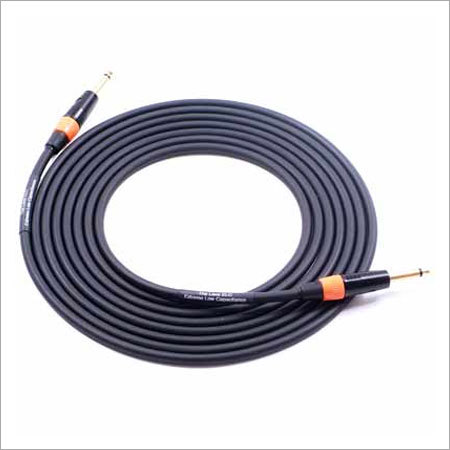
Tell us about your requirement

Price:
Quantity
Select Unit
- 50
- 100
- 200
- 250
- 500
- 1000+
Additional detail
Mobile number
Email

More Products in ACSR Conductor Category
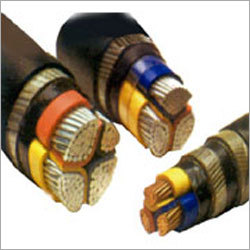
LT PVC XLPE Power Control Cable
Price 30 INR / Meter
Minimum Order Quantity : 100
Application : Other, Power distribution, control panels, industrial wiring, heavy machinery
Diameter : Varies by cable specification
Rated Temperature : 10C to +90C
Dimension (L*W*H) : Based on cable size and length (customizable)
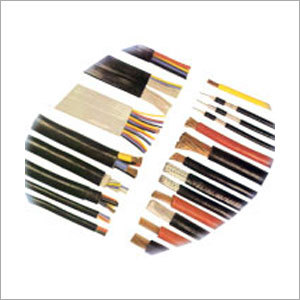
Copper Single Multicore Flexible Cable
Price 30 INR / Meter
Minimum Order Quantity : 100
Application : Other, Domestic wiring, Industrial wiring, Power Distribution, Control panels, Machines and Equipment
Diameter : Custom as per cable size
Rated Temperature : 70C
Dimension (L*W*H) : Custom as Per Requirement
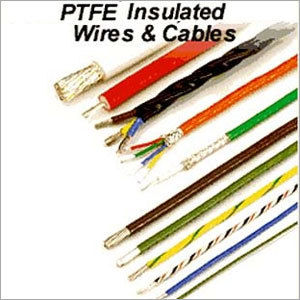
PTFE Insulated Wires & Cables
Price 30 INR / Meter
Minimum Order Quantity : 100
Application : Other, Electronics, Aerospace, Defense, Telecommunication, Electrical Panels, Medical Equipment
Diameter : 0.5 mm to 25 mm
Rated Temperature : 65C to +260C
Dimension (L*W*H) : Custom / As required
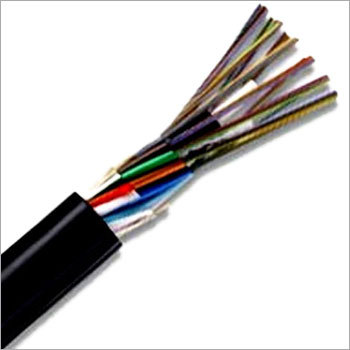
Telecommunication Cables Jelly Filled Cables
Price 30 INR / Meter
Minimum Order Quantity : 100
Application : Other, Telecommunication, voice transmission, data communication, indoor and outdoor cabling
Diameter : As per specified pair count, typically 6mm to 25mm
Rated Temperature : 20C to +70C
Dimension (L*W*H) : Varies as per number of pairs & size; contact for details

 Send Inquiry
Our Products
- Single Mode Fiber Optic Cables
- Multi Mode Fiber Optic Cables
- ACSR Conductor
- Electrical Wires
- Aerial Bunched Cables
- Rubber Cables
- Networking Cable
- Fire Safety Equipments
- Electrical Conduit Pipes
- Electrical Conductors
- Cable Terminal & Lugs
- Screen Shielded Instrumentation Cables
- Porcelain Insulator
- Cable Trays
- Heat Shrinkable Cable Jointing Kit
- House Wire
- Power Control Cable
- Telecommunication Cables


No. 234, 3rd Floor, Garudachar Complex, (Above Hotel Vijay Vihar) Chickpet, Bengaluru - 560053, Karnataka, India

 Send Inquiry
 Send SMS
 Call Me Free
Developed and Managed by Infocom Network Private Limited.
